

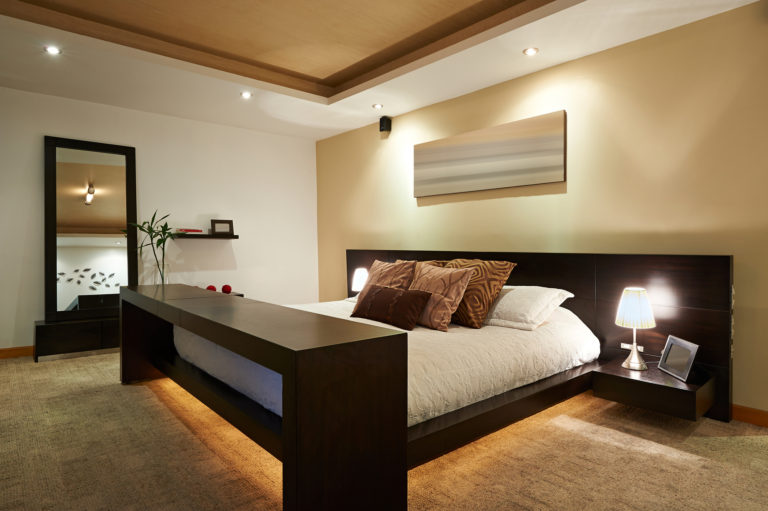
A small bedroom does not have to feel cramped. The right paint color can make it feel brighter, more open, or cozier without changing its size.
Light colors such as warm whites, soft blues, pale greens, creams, and light greiges can help a small bedroom feel larger, while deeper shades can create a comfortable, intimate atmosphere. The best choice depends on your natural light, furniture, flooring, and the mood you want to create.
What Paint Colors Make a Small Bedroom Look Bigger?
Light, soft colors are usually the best place to start if you want a small bedroom to feel bigger.
Warm whites, creams, pale blues, soft greens, and light neutral colors reflect more available light and create less visual weight around the room. Keeping the contrast between walls, trim, and ceilings relatively low can also help the room feel more continuous.
That does not mean everything needs to be bright white. In fact, a softer off-white, pale green, or muted blue can add enough color to make the bedroom feel inviting without visually closing it in.
Here are some of the best paint color directions to consider for a small bedroom.
8 Paint Colors That Work Well in Small Bedrooms
1. Warm White
White remains one of the most versatile paint colors for small bedrooms, but the undertone matters.
A slightly warm white can brighten a small room while avoiding the cold or sterile feeling that sometimes comes with a very crisp white.
Warm whites also pair easily with wood furniture, neutral bedding, and most flooring colors, which makes them a practical choice when you are not planning to change the rest of the room.
If the bedroom gets limited natural light, a warmer white will often feel more comfortable than a stark white.
2. Creamy Off-White
If pure white feels too plain, try an off-white or cream.
These colors still give you much of the brightness of white but introduce a little more warmth and depth. They work especially well in bedrooms with warm wood tones, beige carpeting, or traditional furnishings.
The result can feel light and spacious without making the room look unfinished.
3. Pale Blue
Pale blue is a great alternative to neutral paint in a small bedroom.
It adds noticeable color without feeling heavy, and softer blue tones can help create the calm atmosphere many homeowners want in a bedroom.
Light blue also works particularly well with white or off-white trim.
Just be careful with the undertone. A blue that looks soft on a paint chip can appear noticeably cooler once it is on all four walls, especially in a room without much warm natural light.
4. Soft Sage Green
Soft greens are a good option if you want something more interesting than beige or gray without choosing a bold wall color.
A muted sage or blue-green can give a small bedroom personality while still feeling relaxed and understated.
Soft greens also work especially well with natural wood, cream bedding, woven textures, and warm neutral accents.
If you are considering several similar green shades, look at each sample in the bedroom at different times of day. Natural and artificial light can bring out undertones that are difficult to see on a small paint chip.
5. Light Greige
If you are deciding between gray and beige, greige can give you some of the benefits of both.
A light greige provides more warmth than many cool grays while remaining neutral enough to work with changing furniture and décor.
It is also a useful option when the bedroom connects visually to hallways or nearby rooms painted in neutral colors.
Pay close attention to undertones when choosing greige. Some lean noticeably beige, while others can look cooler or slightly green depending on the lighting.
6. Muted Blush
A soft blush or dusty pink can add warmth to a small bedroom without overwhelming it.
The key is choosing a muted shade rather than a bright or highly saturated pink.
Paired with cream, warm white, natural wood, or soft gray, muted blush can work almost like a warm neutral while adding more character to the room.
7. Soft Lavender
Lavender does not have to make a bedroom feel overly colorful.
Soft, gray-leaning lavender can create a subtle backdrop that adds more interest than white while keeping the room light.
It can work particularly well in bedrooms with cool natural light or with white, gray, or light wood furniture.
As with blue, testing the color first is important. Purple undertones can become much stronger depending on the lighting in the room.
8. Deep Green or Navy
Dark colors are not automatically off-limits in a small bedroom.
If your priority is creating a cozy retreat rather than making the bedroom appear as large as possible, deep green, navy, charcoal, or another saturated shade can be an excellent choice.
Instead of trying to hide the size of the room, a darker palette embraces it.
You can use a dark color on one focal wall or carry it around the entire room for a more dramatic effect. The right approach depends on how much natural light you have and how the color works with your furniture and flooring.
Light vs. Dark Paint Colors in a Small Bedroom
The choice between light and dark paint really comes down to what you want the bedroom to feel like.
Color can influence whether a room feels calm, warm, dramatic, or intimate. If that is an important part of your decision, learning more about how paint colors affect mood can help you think beyond room size alone.
Choose a lighter color if you want:
- A brighter room
- A more open appearance
- Less visual contrast
- A flexible background for décor
- To make the most of limited natural light
Consider a darker color if you want:
- A cozy or intimate atmosphere
- More drama
- A strong focal point
- A room that feels intentionally tucked away
There is no single rule that works for every small bedroom.
A thoughtfully designed dark bedroom can feel much better than a small room painted bright white simply because white was considered the safest option.
How to Choose a Paint Color for a Small Bedroom
The size of the room is only one factor to consider.
Natural light, existing finishes, furniture, flooring, and undertones can all influence how a paint color actually looks once it is on the wall.
If narrowing down the options feels difficult, a professional color consultation can help you evaluate these factors together rather than choosing a color based only on a paint chip.
Look at the Natural Light
Paint can change dramatically between the paint store and your bedroom.
A room with abundant sunlight can usually handle a wider range of colors. Rooms with limited natural light need more consideration because some colors may appear much darker or cooler once they are on the walls.
Look at your samples in the morning, afternoon, and evening before making the final decision.
Also consider which direction the windows face. A color that looks warm and soft in one bedroom may appear noticeably cooler in another.
Consider Your Existing Furniture and Flooring
Your wall color does not exist by itself.
Wood flooring, carpeting, furniture, bedding, window treatments, and trim can all change how a paint color appears.
For example, warm beige carpet may make a cool gray wall look even cooler. Warm wood furniture may work better with creamy whites, warm greiges, greens, or other colors with compatible undertones.
You do not necessarily need every element in the room to match. The goal is to make sure the colors work well together.
Pay Attention to Undertones
Two colors that look almost identical on a paint card can look completely different once they are in a room.
Whites can have blue, yellow, pink, gray, or green undertones. The same is true of beige, gray, and other neutrals.
Undertones become especially noticeable when a wall color sits beside trim, flooring, or furniture with a different temperature.
If you want to go deeper into color selection, our guide to choosing the right colors and finishes covers additional factors that can help narrow down your options.
Test Before Painting the Entire Room
Apply samples in more than one part of the bedroom.
Look at the color beside the trim, near the window, and on a wall that receives less natural light.
Give yourself time to see it under daylight and your normal bedroom lighting.
A little testing before the project starts can prevent a much bigger color change later.
Should You Use an Accent Wall in a Small Bedroom?
Yes, an accent wall can work well in a small bedroom when it is used intentionally.
An accent wall can add depth and give the room a focal point without covering every surface in a strong color.
The wall behind the bed is often a natural choice because the bed already draws attention to that area.
If you are considering a stronger color but do not want to use it throughout the entire bedroom, accent wall painting can be a good way to introduce color and depth without making the whole space feel heavy.
Try to avoid creating too much contrast throughout the room. If the accent color is dramatically darker than everything around it, keep the rest of the palette fairly simple.
For some bedrooms, using a slightly deeper version of the main wall color creates a more subtle effect than introducing a completely different color.
Should You Paint the Ceiling and Trim the Same Color?
Keeping walls, trim, and ceilings within a similar color family can help reduce visual breaks in a small bedroom.
You do not necessarily need to use the exact same paint color everywhere.
For example, you might choose:
- Soft white walls with slightly brighter white trim
- Light greige walls with warm white trim
- Pale blue walls with an off-white ceiling
- One color in slightly different shades across the walls and trim
If the room has a low ceiling, avoiding a sharp contrast between the walls and ceiling can help the transition feel less abrupt.
Another option is using the same or a very similar color across the walls, trim, and ceiling. This creates a more continuous look and can work particularly well when you want the bedroom to feel calm and cohesive.
What Paint Finish Is Best for a Small Bedroom?
Color gets most of the attention, but the paint finish matters too.
For most bedroom walls, eggshell or another low-sheen finish provides a good balance between appearance and durability.
Flatter finishes create less reflection and can help disguise minor imperfections in the walls. Higher-sheen finishes are easier to clean but can make surface imperfections more noticeable.
Trim and doors are commonly painted in a more durable finish than the walls.
If you are comparing matte, eggshell, satin, and higher-sheen options, our guide to choosing the right paint finish explains how different finishes affect appearance, durability, and maintenance.
The best finish ultimately depends on the condition of the surfaces, how much wear the bedroom receives, and the final look you prefer.
Small Bedroom Paint Color FAQs
What is the best paint color for a small bedroom?
There is no single perfect color for every bedroom, but warm whites, off-whites, pale blues, soft greens, and light greiges are reliable choices when you want a small bedroom to feel brighter and more open.
The best color will also depend on the room’s lighting, furniture, flooring, and overall style.
What bedroom paint colors make the space feel bigger?
Light colors and softer neutrals generally help a small bedroom feel more spacious because they keep the room bright and reduce strong visual contrast.
Warm white, pale blue, soft sage green, cream, and light greige are all good options to consider.
Do dark colors make a small bedroom look smaller?
Dark colors can make a room feel more enclosed, but that is not necessarily a bad thing.
Dark blue, green, charcoal, and other deeper colors can make a small bedroom feel cozy, intentional, and comfortable when they are used thoughtfully.
If your goal is a brighter and more open feeling, a lighter palette will usually be easier to work with.
How do I choose a paint color for a small bedroom?
Start with the amount and type of natural light in the room.
Then consider your flooring, furniture, trim, bedding, and the mood you want to create. Pay close attention to undertones, especially when choosing whites, grays, beiges, blues, and greens.
Always test your final choices on the walls before painting the entire bedroom.
Is white always best for a small bedroom?
No.
White can make a bedroom feel bright, but pale blues, greens, creams, greiges, and other soft colors can create a spacious feeling while giving the room more personality.
In some bedrooms, an off-white or warm neutral may actually work better than a stark white because it complements the existing lighting and furnishings.
Can I use more than one paint color in a small bedroom?
Yes, but keeping the overall palette simple usually works best.
You might use one main wall color with a slightly different trim color, introduce an accent wall, or use different shades from the same color family.
Too many competing colors can make a small bedroom feel visually busy.
Get Help Choosing the Right Bedroom Paint Color
A paint color that looks perfect online or on a sample card can look very different once it is surrounded by your bedroom’s lighting, flooring, furniture, and trim.
Two Brothers Painting helps Rhode Island homeowners choose colors and finishes that work with the room as a whole. Our interior painting services cover everything from careful preparation and color selection to professional application and finishing.
Whether you want to make a small bedroom feel brighter, introduce more color, or create a cozy retreat, the right combination of color, finish, and professional preparation can completely change the space.
Contact Two Brothers Painting to schedule a consultation and request a free estimate for your next interior painting project.
Free Painting Estimate
Do not fill this form out if you’re a solicitor.