

Interior painting looks simple on the surface. Choose a color, buy paint, start rolling. But experienced business owners and property managers know that interior painting is one of those projects where small decisions early on determine the final result and how long it lasts.
Whether you own a single property or manage multiple units, interior painting affects more than appearance. It impacts maintenance cycles, tenant satisfaction, and long-term value. This guide breaks down what you need to know before starting an interior painting project so you can avoid costly mistakes and get professional-level results.
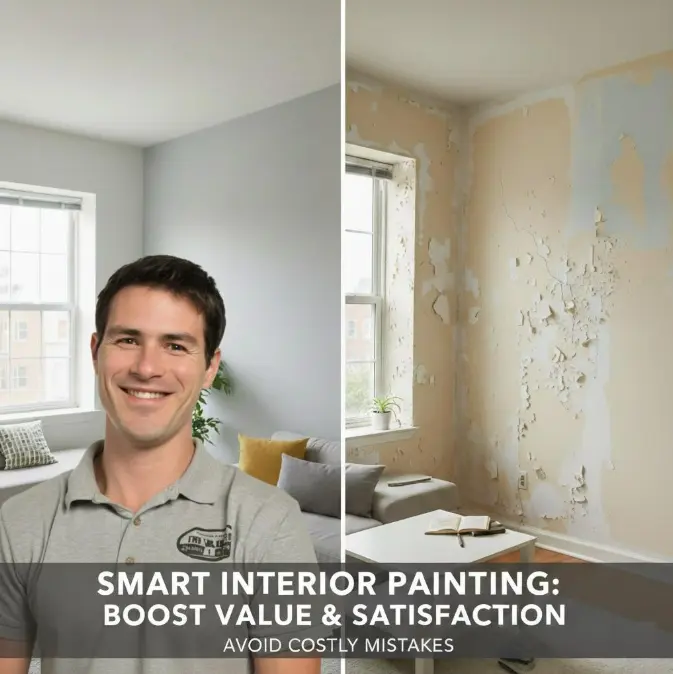
Table of Contents
- Why Interior Painting Requires Planning
- Choosing the Right Paint for the Space
- Interior Painting Preparation Basics
- Understanding Timelines and Disruption
- Common Mistakes That Increase Costs
- When Professional Interior Painting Makes Sense
- Simple FAQ for Property Owners
Why Interior Painting Requires Planning
Interior painting is not just a cosmetic upgrade. It is part of routine property upkeep. Poor planning can lead to uneven finishes, frequent repainting, or damage to surfaces that should have been protected.
For business owners, the goal is efficiency and durability. Proper planning helps ensure that paint performs well in high-traffic areas, shared spaces, and rooms exposed to moisture or heat. A structured approach also minimizes downtime, which matters when units need to be turned over quickly.
Choosing the Right Paint for the Space
Not all paint is the same. The right product depends on how the space is used.
High-traffic areas like hallways, stairwells, and offices benefit from durable finishes that resist scuffing and allow easy cleaning. Bathrooms and kitchens need paint designed to handle moisture and temperature changes.
According to the U.S. Environmental Protection Agency (EPA), volatile organic compounds are emitted by many paints and can affect indoor air quality because their concentrations are often higher indoors than outdoors. This is why choosing low‑VOC or zero‑VOC paint and ensuring good ventilation during and after painting improves indoor air quality for occupants.
Interior Painting Preparation Basics
Interior painting preparation is the most overlooked part of the process and the most important. Preparation determines how well paint adheres and how long it lasts.
Proper prep includes cleaning surfaces to remove dust, grease, and residue. Walls are inspected for cracks, dents, or nail holes and repaired before paint is applied. Glossy surfaces are lightly sanded so new paint can bond correctly. Floors, fixtures, and trim are protected to prevent accidental damage.
Skipping these steps often leads to peeling, bubbling, or uneven texture. For business owners, that means repainting sooner than expected and spending more over time.
Understanding Timelines and Disruption
Interior painting takes longer than many people expect. Drying times, curing periods, and prep work all factor into the schedule.
For commercial or rental properties, planning the timeline matters just as much as the paint itself. Coordinating painting around tenant move-outs or business hours reduces disruption and keeps operations running smoothly.
Experienced painting teams plan each phase carefully, from prep to final walkthrough, to avoid delays and maintain consistency across multiple spaces.
5. Common Mistakes That Increase Costs
Interior painting mistakes usually come from rushing or underestimating the project. Some of the most common issues include:
- Choosing paint based only on price instead of performance
- Skipping primer to save time
- Painting over dirty or damaged surfaces
- Underestimating how long prep takes
- Not accounting for ventilation or drying conditions
Each of these mistakes shortens the lifespan of the paint job. Over time, repainting more often costs far more than doing it correctly the first time.
When Professional Interior Painting Makes Sense
There are situations where hiring professionals is not just convenient but cost-effective.
Large properties, multi-unit buildings, and commercial interiors benefit from professional interior painting because consistency matters. Professionals use proven prep methods, apply paint evenly, and select products based on real-world performance.
At Two Brothers Painting, interior projects are approached with a system. Every surface is evaluated, prepped correctly, and painted with durability in mind. The result is a finish that looks clean, holds up longer, and requires less maintenance over time. The process is designed to support property owners who value efficiency and long-term results.
Simple FAQ for Property Owners
How long does interior painting take?
Most projects take several days depending on size, prep needs, and drying time.
Is primer really necessary?
Yes. Primer improves adhesion and creates a consistent surface for paint.
Can painting be done while spaces are occupied?
In many cases, yes, but proper ventilation and scheduling are important.
How often should interiors be repainted?
High-traffic areas may need repainting every few years. Low-use areas last longer.
Should I choose paint colors based on trends?
Neutral, timeless colors usually perform best for resale and rentals.
Final Thoughts
Interior painting is an investment, not a shortcut project. For business owners and property managers, success comes from planning, preparation, and choosing the right approach for the space.
Understanding interior painting basics helps you protect your property, reduce maintenance costs, and maintain a professional appearance year after year. When done correctly, interior painting supports both visual appeal and long-term value.
Free Painting Estimate
Do not fill this form out if you’re a solicitor.