

When most people think about painting, they imagine the final step: a smooth coat of fresh color transforming a wall or building exterior. What many do not see is the work that happens before the first drop of paint is applied.
In reality, professional painters know that preparation accounts for nearly 70 percent of the entire job. The sanding, cleaning, caulking, and priming stages are what determine whether a paint job lasts for years or begins failing after a single season.
Across homes and commercial properties throughout Rhode Island, the difference between an average paint job and a truly durable one almost always comes down to preparation.
Step One: Surface Cleaning
Before any sanding or painting begins, surfaces must be thoroughly cleaned.
Dust, oils, mildew, and environmental residue can prevent paint from bonding properly to the surface. Professional crews typically begin by removing contaminants through washing and surface preparation.
This step is especially important for exterior surfaces exposed to Rhode Island’s changing weather conditions.
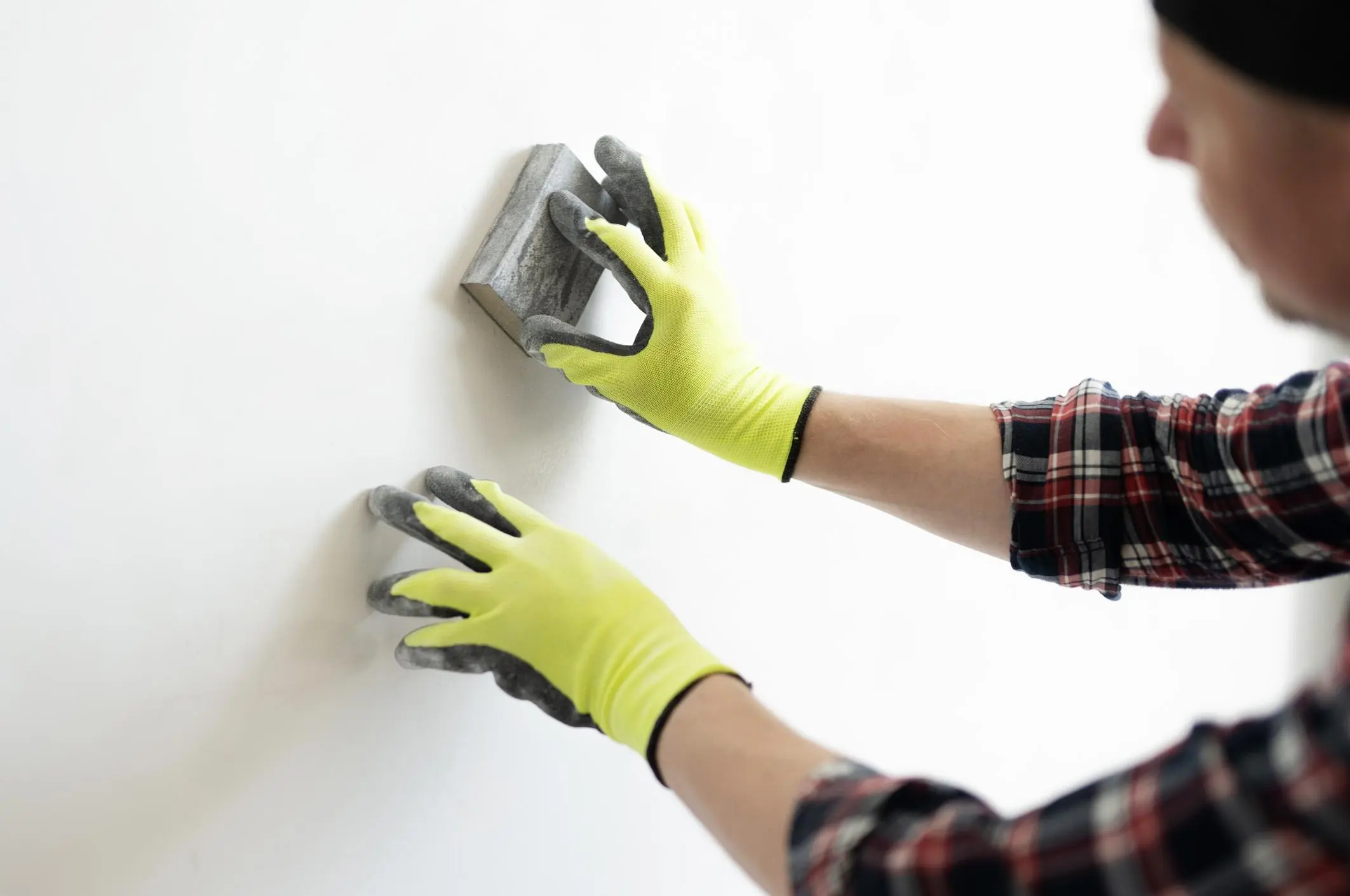
Step Two: Sanding for Proper Adhesion
Sanding creates a slightly rough texture that allows primer and paint to bond effectively.
Without sanding, paint may sit on top of the surface rather than adhering to it properly. Over time, this can lead to peeling or cracking.
Professional sanding also smooths out:
- Old paint ridges
- Minor surface imperfections
- Previous repair marks
It is one of the most important steps in achieving a smooth, professional finish.
Step Three: Caulking and Sealing
Caulking helps seal small gaps around trim, windows, and siding.
These small openings can allow moisture to enter behind painted surfaces, eventually leading to paint failure or wood damage. By sealing these gaps before painting begins, professional crews help extend the life of the finished project.
Step Four: Priming the Surface
Primer acts as the foundation for the final paint layer.
It improves adhesion, blocks stains, and ensures consistent color coverage. Skipping primer may save time initially, but it often leads to uneven finishes and shorter paint lifespans.
For commercial buildings and residential homes alike, primer is one of the most important investments in long-term durability.
Why Preparation Makes the Difference
The most visually impressive paint jobs are often built on the least glamorous work. Sanding, taping, and detailed surface preparation may not attract attention, but these steps determine how well the final paint performs over time.
Professional painters understand that durability and appearance both depend on a methodical preparation process. Industry standards emphasize that proper surface preparation is essential for paint adhesion and long-term durability. This is why many property owners choose to work with professional exterior painters in Rhode Island who follow a detailed preparation process before applying the final coat of paint.
When preparation is done correctly, the final coat of paint becomes more than just a cosmetic upgrade. It becomes a protective layer that helps maintain the integrity and appearance of the building for years.
If your home or commercial property needs a fresh coat of paint, working with experienced professionals ensures the preparation and finishing are done correctly. You can contact Two Brothers Painting to discuss your next painting project and request a professional estimate.
Free Painting Estimate
Do not fill this form out if you’re a solicitor.